

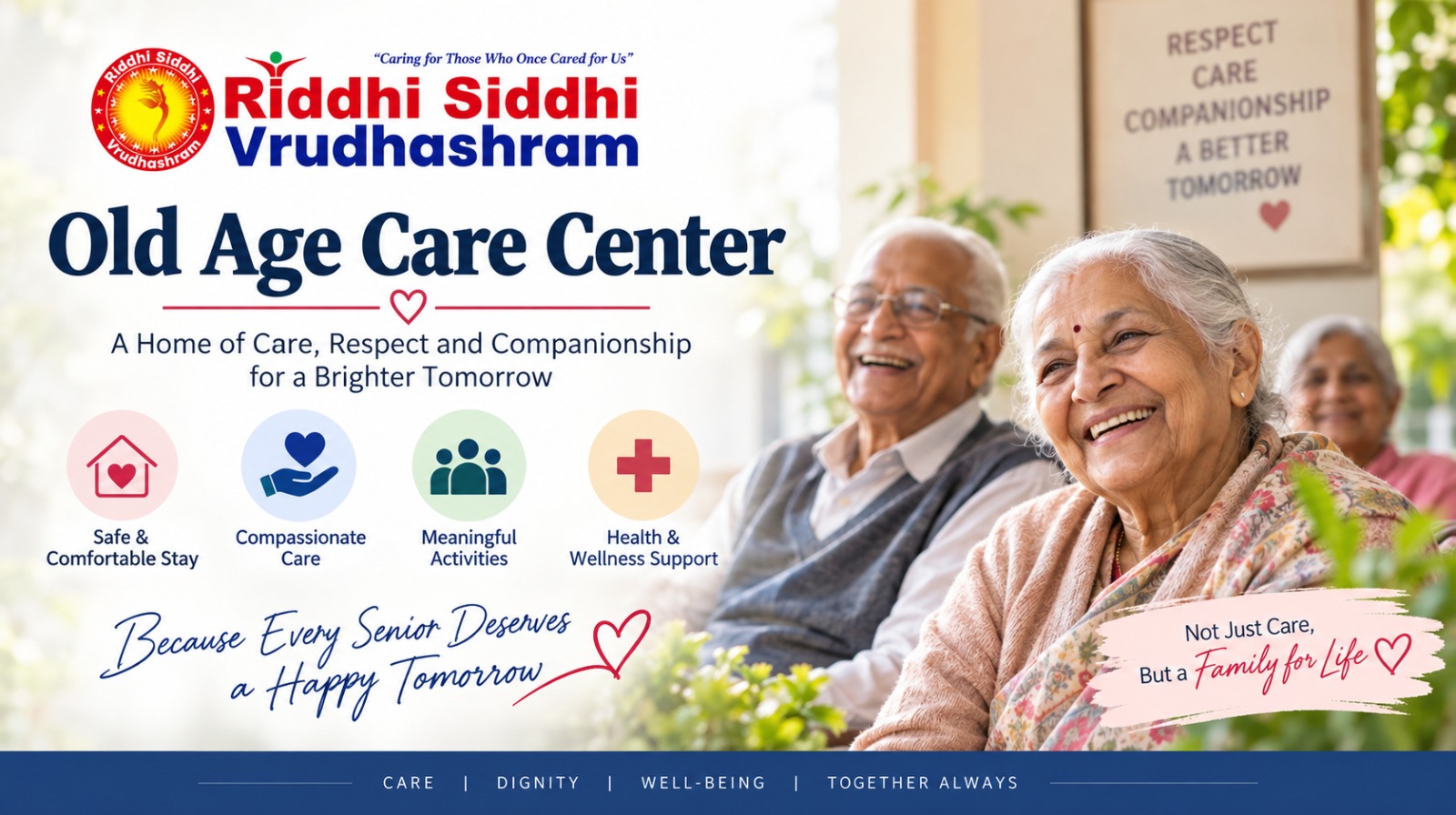
Old Age Care Center: Guide to Safe, Dignified and Healthy Senior Living
As people live longer, families increasingly need reliable solutions for senior care, particularly when older adults require assistance with healthcare, mobility, daily activities, nutrition, or companionship. An old age care center can provide a structured environment where seniors receive appropriate support while maintaining dignity, safety, independence, and social connection. The importance of organized elderly care is growing in India as the country's ageing population continues to increase.
How? Check here.
What Is an Old Age Care Center?
An old age care center is a residential or assisted-care facility designed to support older adults with different levels of physical, medical, emotional, and social needs. Depending on the facility, services may include accommodation, meals, personal assistance, medication support, nursing care, health monitoring, recreational activities, and emergency assistance.
Senior care should not be viewed only as accommodation. According to the World Health Organization (WHO), healthy ageing involves maintaining the functional ability that enables well-being in later life. This depends on an individual's abilities as well as the physical, social, and care environment around them.
Therefore, a good elderly-care environment should address more than basic shelter.
Why Is Senior Care Becoming More Important in India?
India is experiencing a significant demographic transition. UNFPA's 2023 India Ageing Report indicates that India's elderly population is projected to exceed 20% of the total population by 2050. It also highlights the particularly rapid growth of the 80+ population.
This demographic change creates several challenges:
- Greater demand for geriatric healthcare
- Increased need for assistance with daily activities
- More cases of chronic health conditions
- Higher demand for accessible living environments
- Greater need for companionship and social interaction
- Additional responsibilities for family caregivers
- Growing demand for long-term and assisted care
The WHO emphasizes that long-term care should combine health services with personal assistance and social support, using a person-centred approach.
What Services Should an Old Age Care Center Provide?
The services offered vary from one facility to another, but families should generally examine several important areas before making a decision.
1. Healthcare and Medical Monitoring
Regular health monitoring is important because older adults may experience multiple health conditions simultaneously. Facilities should have appropriate systems for doctor consultations, medication management, emergency response, and health assessments.
India's National Programme for Health Care of the Elderly (NPHCE) emphasizes accessible, affordable, comprehensive, and dedicated healthcare for ageing populations, including preventive, curative, rehabilitative, and home-based services where required.
2. Assistance With Daily Activities
Some seniors may require help with bathing, dressing, eating, walking, medication schedules, or other everyday activities. Assistance should be provided respectfully, preserving as much independence as possible.
Care plans should ideally be based on the individual's actual needs rather than applying the same routine to every resident.
3. Nutritious Food
Nutrition plays an important role in healthy ageing. Meals should be balanced and appropriate for the resident's medical and dietary requirements.
Depending on individual health conditions, dietary planning may need to consider:
- Diabetes
- Hypertension
- Digestive problems
- Food allergies
- Reduced appetite
- Difficulty chewing or swallowing
- Doctor-recommended dietary restrictions
4. Safety and Accessibility
The physical environment should reduce unnecessary risks. Facilities should ideally consider:
- Non-slip flooring
- Adequate lighting
- Accessible bathrooms
- Handrails
- Easy movement between rooms
- Emergency communication systems
- Appropriate supervision
- Safe common areas
WHO notes that the environments where people live can either enable or constrain healthy ageing, making age-friendly surroundings an important part of elderly well-being.
5. Emotional and Social Well-Being
Healthcare alone does not guarantee quality of life. Seniors also need meaningful interaction, companionship, recreation, and opportunities to participate in social activities.
Group activities, celebrations, reading, music, exercise, conversations, hobbies, and family visits can help residents maintain social connections and a sense of purpose.
6. Personal Dignity and Independence
One of the most important principles of senior care is respecting the individual's identity and choices.
Caregivers should encourage residents to participate in decisions wherever possible. Assistance should not automatically mean taking away independence.
A person-centred approach focuses on what the older adult can do, what they value, and what support they actually require.
How Should Families Choose an Old Age Care Center?
Selecting an old age care center requires more than comparing accommodation costs. Families should assess the facility through several practical criteria.
Healthcare
Ask:
- Is medical assistance available?
- How frequently are doctors available?
- How are medications managed?
- What happens during an emergency?
- Is nursing support available?
Accommodation
Check:
- Room size and ventilation
- Bathroom accessibility
- Cleanliness
- Privacy
- Temperature control
- Emergency accessibility
Food
Ask about:
- Daily meal schedules
- Dietary customization
- Medical diets
- Hygiene standards
- Drinking-water availability
Staff
Families should understand staff availability, caregiver responsibilities, qualifications, and how residents are supervised.
Social Activities
Find out whether residents have opportunities for exercise, entertainment, festivals, hobbies, family interaction, and community activities.
Transparency
Before admission in an old age care center, families should clearly understand:
- Admission requirements
- Monthly charges
- Additional medical expenses
- Deposit requirements
- Services included in the fee
- Visitor policies
- Emergency procedures
- Discharge or transfer policies
What Is the Role of Long-Term Care?
Long-term care becomes particularly relevant when an older person has difficulty managing everyday activities independently.
WHO's 2024 guidance describes long-term care as a combination of health and social-care interventions that can be adapted to local needs and resources.
The objective is not simply to keep someone in a facility. Proper long-term care should help maintain functional ability, manage health conditions, support caregivers, and protect the person's dignity.
How Can Families Support Seniors After Admission?
Moving into an old age care center can be a major emotional transition. Family involvement should ideally continue after admission.
Families can:
- Visit regularly
- Maintain frequent phone or video communication
- Bring familiar personal belongings
- Celebrate important occasions together
- Share medical information with caregivers
- Encourage hobbies and social activities
- Monitor changes in health or behaviour
- Stay involved in care decisions
Regular family interaction can help residents maintain continuity between their previous life and their new living environment.
Riddhi Siddhi Vrudhashram for Senior Care
For families looking for a renowned old age care center in the Mumbai region, Riddhi Siddhi Vrudhashram operates in Mira Road and provides accommodation and support for senior residents. Its published services include comfortable rooms, 24/7 care and security, meals, regular medical attention, nursing support, and recreational activities.
The facility states that it aims to provide a safe, comfortable, and respectful environment for seniors while supporting their day-to-day needs. Families considering admission should contact the facility directly to confirm current availability, fees, admission requirements, and the specific level of care available.